
Quality Mold

2026 Best Plastic Injection Molded Parts for Global Buyers?

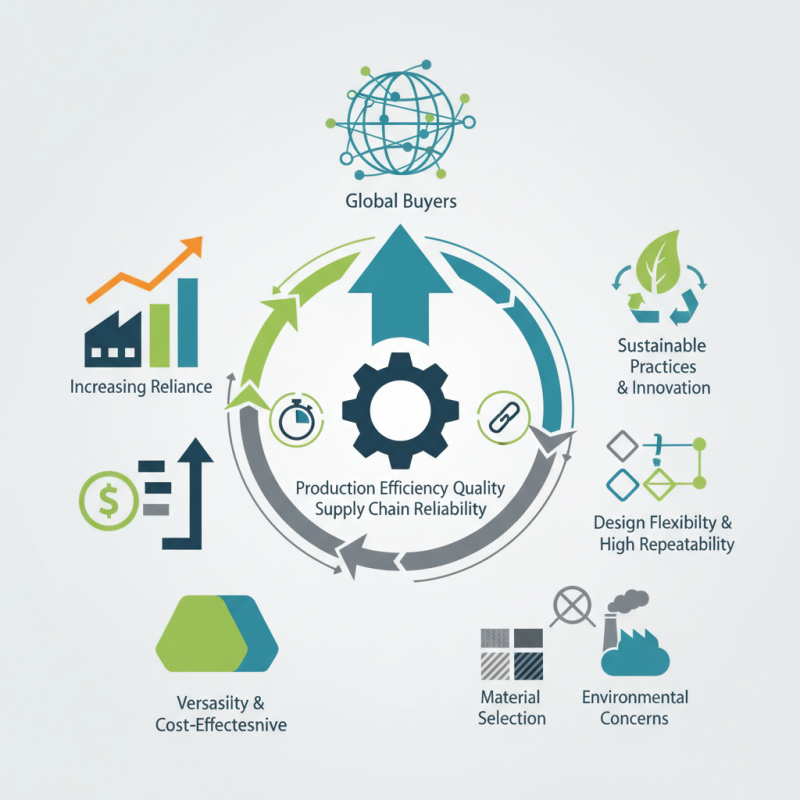
The demand for plastic injection molded parts is growing rapidly across various industries. According to a market research report by Grand View Research, the global plastic injection molding market size was valued at over $300 billion in 2022. This trend signifies the increasing reliance on plastic components for their versatility and cost-effectiveness.

Manufacturers are looking for solutions that enhance production efficiency and reduce waste. Plastic injection molded parts offer unique advantages, such as design flexibility and high repeatability. However, challenges persist, such as issues with material selection and environmental concerns. The shift toward sustainable practices highlights the need for innovation in this field.

As global buyers seek out the best suppliers in 2026, understanding the nuances of plastic injection molded parts will be essential. Key considerations include production speed, quality control, and supply chain reliability. Addressing these factors will be vital for staying competitive in a crowded marketplace.
2026 Best Plastic Injection Molded Parts for Global Buyers?

Overview of Plastic Injection Molding Process
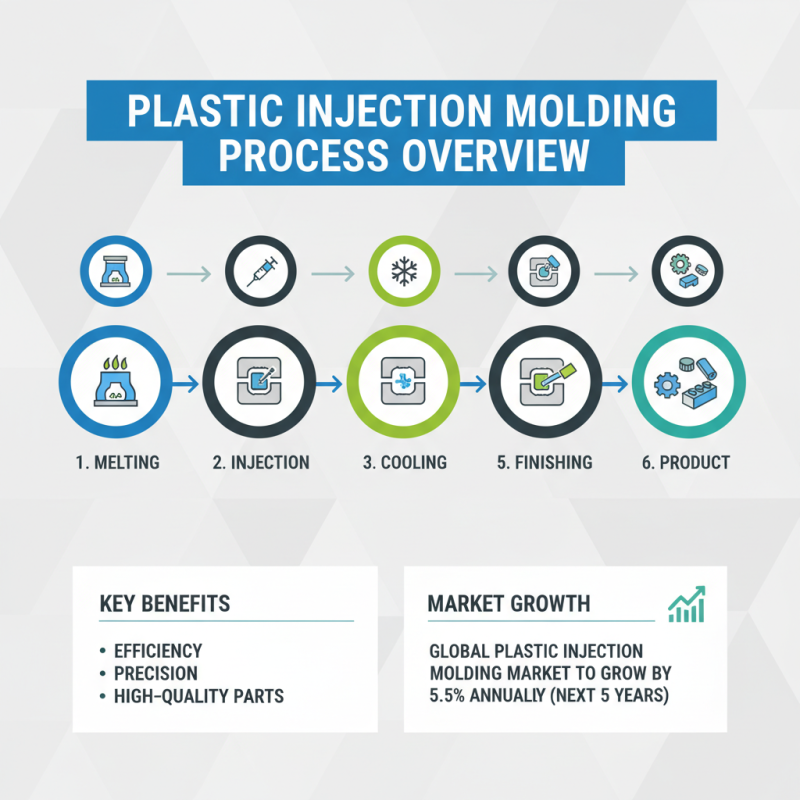
2026 Best Plastic Injection Molded Parts for Global Buyers?

The plastic injection molding process is vital in manufacturing a variety of products. This method involves injecting molten plastic into a mold to create parts. The process is efficient and can produce high-quality components with great precision. According to a recent market report, the global plastic injection molding market is projected to grow by 5.5% annually over the next five years.

Despite its advantages, challenges exist. The cost of molds can be high, impacting small businesses. Moreover, the time required for mold design and production can be lengthy. Industry data indicates that mold-making can take anywhere from several weeks to months. This varies based on complexity and material demands.

Sustainability is another pressing concern. The industry faces pressure to reduce plastic waste. Innovations in bioplastics show promise but are still developing. Moreover, secondary processes like recycling are essential to address these challenges. Companies must continually adapt to fulfill market demands while considering environmental impacts.
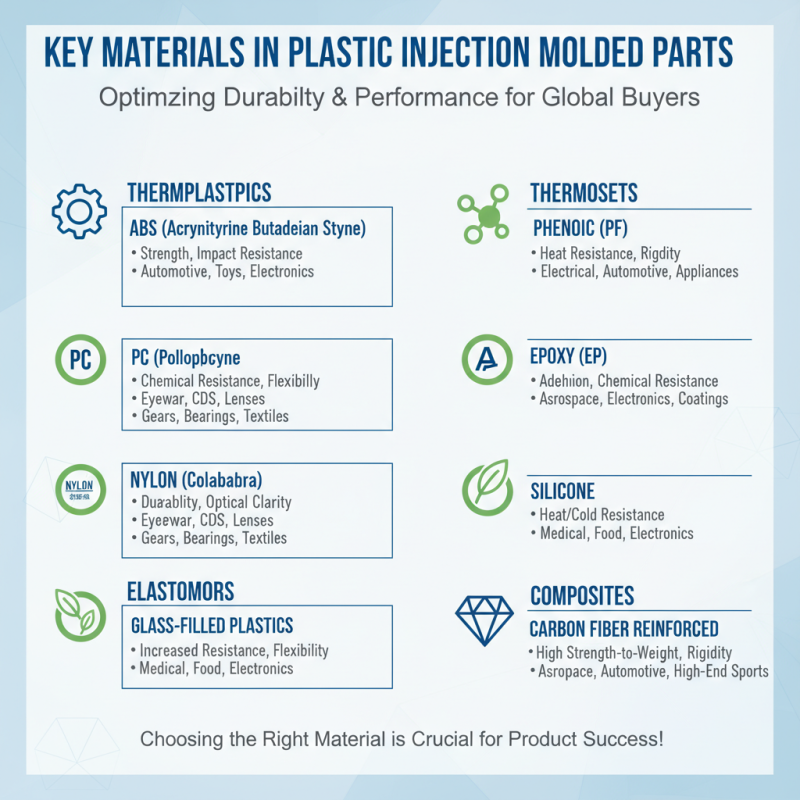
Key Materials Used in Plastic Injection Molded Parts

2026 Best Plastic Injection Molded Parts for Global Buyers?

Plastic injection molding is a vital process in various industries. Understanding the key materials used in molded parts is crucial for global buyers. The right material can significantly impact durability, flexibility, and overall performance.

Common materials include acrylonitrile butadiene styrene (ABS), polycarbonate (PC), and polystyrene (PS). Reports indicate that ABS accounts for approximately 20% of all thermoplastics used in injection molding due to its excellent impact resistance and toughness. Polycarbonate offers superior strength and is ideal for applications requiring transparency and heat resistance, favored for its exceptional thermal properties.

However, not all materials are perfect. For instance, while ABS is affordable, it can be less durable under UV exposure. Similarly, polycarbonate may experience stress cracking over time. Buyers must weigh the pros and cons of each material based on their specific application needs. Continuous advancements in polymer technology are making materials more versatile, but understanding the limitations is essential for optimal product quality.

Top Industries Utilizing Plastic Injection Molded Components

Plastic injection molding plays a crucial role in many industries. Automotive, for example, relies heavily on molded components. These parts are essential for dashboards, trim, and other structural elements. The demand for lightweight and durable materials drives this trend. The automotive sector prioritizes efficiency and safety, making high-quality plastic parts vital.

Consumer electronics also utilize plastic injection molded components extensively. Mobile phones and laptops feature sleek, molded casings. This process allows manufacturers to create intricate designs while maintaining strength. The need for innovation in tech is relentless, pushing the boundaries of plastic molding. However, some companies struggle with defects, impacting product quality.

Packaging is another significant industry benefiting from plastic injection molding. It provides flexible, cost-effective solutions for various products. Molded packaging can enhance product visibility and protection. Yet, the environmental impact of plastic remains a concern. Companies must consider sustainability in their designs and materials. Moving towards eco-friendly options is a challenge many are now facing.

2026 Best Plastic Injection Molded Parts for Global Buyers

Industry Application Material Type Part Complexity Production Volume
Automotive Exterior Components ABS Medium High
Consumer Electronics Casings & Enclosures Polycarbonate High Medium
Medical Devices Surgical Instruments PP Complex Low
Packaging Containers & Lids PET Simple Very High
Construction Pipe Fittings PVC Medium Medium

Criteria for Selecting the Best Injection Molded Parts Suppliers

When selecting the best injection molded parts suppliers, buyers should prioritize experience and expertise. Suppliers with years in the industry often have refined processes. They understand variations in materials and designs. This knowledge can lead to better product outcomes. Collaborative relationships can develop when suppliers possess strong technical skills.

Quality assurance is also critical. Suppliers should have a robust quality management system in place. Regular inspections and tests ensure consistency in production. Transparent communication about their quality metrics builds trust. Some suppliers may boast impressive samples, but actual output could differ. It’s vital to check performance against claims.

Cost is important, but it shouldn't overshadow quality. Low prices may attract buyers but can lead to compromises in material integrity. A supplier might offer a lower rate, but hidden costs may arise later. It's wise to evaluate total value, not just immediate expense. Engaging with multiple suppliers for comparisons can uncover strengths and weaknesses. Selecting a partner involves careful consideration of these aspects.

2026 Best Plastic Injection Molded Parts: Key Criteria for Selection

Future Trends in Plastic Injection Molding Technology

The future of plastic injection molding is promising and dynamic. Emerging technologies are reshaping how manufacturers approach this process. Automation, for example, streamlines production and reduces labor costs. The integration of artificial intelligence enhances design precision. With rapid prototyping, companies can test products faster than ever before.

Sustainability is a major trend in this sector. Companies are increasingly opting for biodegradable materials. This shift reflects consumer demand for environmentally friendly products. Yet, the challenge lies in balancing performance and sustainability. Not all alternative materials meet the same standards as traditional plastics.

Tips for optimizing your injection molding process:
- Monitor temperature closely during production. Variations can affect the final product.
- Consider investing in skilled technicians to maintain machinery. Their expertise ensures optimal performance and reduces downtime.
- Lastly, aim for continuous improvement. Regularly seek feedback and adapt processes accordingly. This approach leads to better quality and efficiency over time.