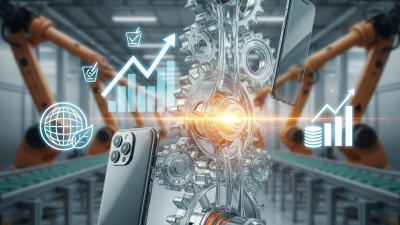

What is the Process of Injection Molding Steps?
Injection molding is a critical process in manufacturing, used widely for producing plastic parts. According to Dr. Emily Sanders, a leading expert in the field, “Understanding injection molding steps is essential for any successful production line.” Her experience highlights the importance of mastering each stage of this intricate process.
The journey of injection molding involves several key steps. Initially, raw materials are heated and injected into a mold. This stage requires precision and attention. After cooling, the mold is opened, and the finished product is ejected. Each step plays a pivotal role in determining the quality of the final product. Overlooking or mismanaging even one phase can lead to defects.
Many companies overlook the nuances of these steps, which can cause costly errors. For instance, inconsistent heating can lead to weak points in products. Manufacturers must pay attention to these details. Understanding and refining injection molding steps can significantly enhance product quality and efficiency in a competitive market.
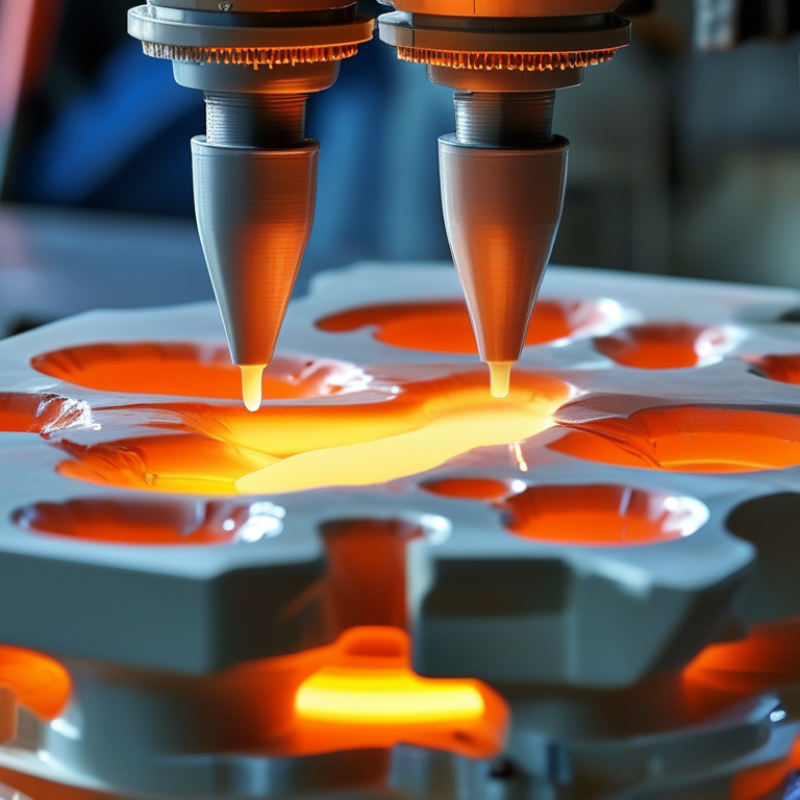
Overview of Injection Molding and Its Importance in Manufacturing
Injection molding plays a crucial role in modern manufacturing. This process allows for the mass production of plastic parts with high precision. Manufacturers use injection molding to create complex shapes that are often difficult to achieve through other methods. Each component produced is consistent, which is vital in industries like automotive and consumer goods.
The importance of injection molding lies in its efficiency. Once set up, the process operates quickly, allowing for rapid production runs. Materials are heated and injected into molds, where they cool and solidify. This method reduces waste and optimizes resources. However, achieving perfection does require careful maintenance of machinery and molds. Small variances can lead to defects, impacting overall quality.
Manufacturers must continuously assess their processes. Adapting to new materials or technology can feel daunting. Often, companies might overlook the significance of proper training for operators. Without skilled hands managing the machinery, quality can suffer. This highlights the need for a balance between technology and human expertise.
Materials Used in Injection Molding: Types and Properties
Injection molding relies on specific materials to achieve the desired precision and durability in parts. The most common materials used are thermoplastics, thermosetting plastics, and elastomers. Thermoplastics, such as polypropylene and polycarbonate, are widely favored due to their versatility and processability. According to a report from PlasticsEurope, thermoplastics account for over 70% of the market share in injection molding applications.
In addition to thermoplastics, various fillers and additives enhance material properties. For example, glass fiber reinforcement can increase strength and stiffness, while impact modifiers may improve toughness. However, these modifications can lead to challenges, such as processing difficulties and higher production costs. A study from the Society of Plastics Engineers emphasizes the importance of balancing material properties with cost-efficiency in injection molding.
It’s critical to consider the specific properties of each material. For instance, while polycarbonate offers excellent impact resistance, it may not withstand high temperatures as well as other options, like nylon. Manufacturers often encounter a trade-off between performance attributes and thermal stability. This complexity highlights the need for continuous assessment of material choices in injection molding processes.
Step-by-Step Process of Injection Molding
The injection molding process involves several detailed steps. It begins with material selection, typically thermoplastics, such as polyethylene or polystyrene. The chosen material is then loaded into a hopper. This is where the quality of the plastic really matters. Poor material can lead to defects in the final product.
Next, the plastic is heated until it melts. This stage can be tricky. Overheating may degrade the material. Once molten, the plastic is injected into a mold cavity under high pressure. This is crucial for ensuring even filling. However, cooling the mold properly can be a challenge; uneven cooling often leads to warping.
After the injection, the mold is cooled, which solidifies the product. Timing is essential here; too quick of a cooling process may lead to cracks. Opening the mold releases the finished part, concluding the process. Each step requires careful attention. Missteps can result in wasted materials and time, highlighting the need for constant monitoring and improvement in the injection molding process.
What is the Process of Injection Molding Steps? - Step-by-Step Process of Injection Molding
| Step Number | Process Step | Description |
|---|---|---|
| 1 | Material Preparation | Select and prepare the plastic material that will be used in the injection molding process. |
| 2 | Melting | Heat the plastic material to its melting point to transform it into a viscous liquid. |
| 3 | Injection | Inject the molten plastic into a mold cavity at high pressure. |
| 4 | Cooling | Allow the injected material to cool and solidify within the mold. |
| 5 | Mold Opening | Open the mold to release the solidified part. |
| 6 | Ejection | Eject the molded part from the mold cavity. |
| 7 | Trimming and Finishing | Trim any excess material and finish the part to meet specifications. |
Post-Processing Techniques and Quality Control in Injection Molding
Post-processing techniques play a crucial role in injection molding. After the initial molding process, parts often require additional work. This includes trimming excess material and removing any defects. Certain methods can enhance the overall quality and appearance of the final product. Common techniques involve sanding, polishing, and coating. These processes can significantly impact the mechanical properties and finish quality.
Quality control is essential throughout the injection molding process. Regular inspections are necessary to ensure that parts meet specifications. Understanding the acceptable tolerances for each product is vital. Testing for defects can involve physical inspections as well as advanced methods. For example, using X-ray or ultrasonic testing can reveal hidden flaws.
Challenges may arise during post-processing and quality control. Variations in material, machine settings, and environmental conditions can affect outcomes. Adjusting the process in real-time is often necessary. This requires skilled operators who can identify issues and make quick decisions. Reflecting on these challenges helps improve future production cycles.
Applications and Advantages of Injection Molding in Various Industries
Injection molding is increasingly popular across various industries due to its efficiency and versatility. The automotive sector, for example, extensively uses injection-molded components for manufacturing parts like dashboards, bumpers, and housing elements. According to a recent market report, the worldwide automotive injection molding market is projected to reach around $27 billion by 2025, driven by the demand for lightweight and durable materials. This method ensures precision, allowing for high-volume production with minimal waste.
In consumer goods, injection molding facilitates the production of complex shapes, appealing designs, and sturdy items. Industries that focus on electronics utilize injection molding for components such as enclosures and connectors. The versatility of this process allows companies to create varied products while ensuring cost-effectiveness. Moreover, researchers estimate that injection molding can lower production costs by up to 50% compared to other manufacturing methods in high-volume scenarios.
It’s important to choose the right plastic materials. Not all resins work equally for every application. Conducting comprehensive testing can lead to better product durability. Monitor your production process closely. Small adjustments can significantly impact quality. Always consider the environmental implications of your material choices. Recycling options are becoming more critical as sustainability concerns rise in consumer preferences.
Injection Molding Applications and Advantages in Various Industries
Related Posts
-
Top Benefits of the Injection Moulding Process for Manufacturing Success
-

Top 10 Essential Factors to Consider for Injection Molding Mold in 2025
-
2026 Best Ways to Learn Injection Molding Techniques?
-
The Future of Injection Tooling Innovations and Opportunities
-
Understanding the Essential Role of Injection Molding Tooling in Modern Manufacturing
-
Understanding the Injection Moulding Process Innovations and Applications in Modern Manufacturing